

High-Capacity Education Logistics: Planning Your A-Class School Trips this June
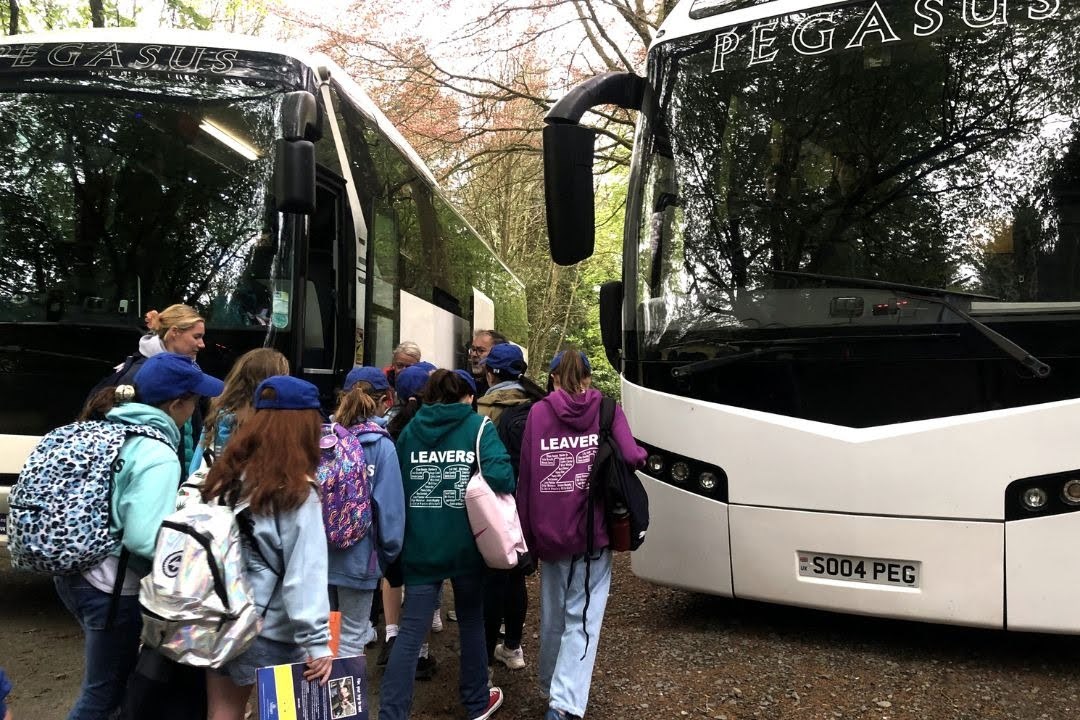
This article explains how high-capacity school coach hire and education transport solutions support large schools and universities planning June 2026 trips, emphasising safety, early booking in April, and dedicated education enquiry support.
June is the busiest month in the education calendar. As exam season concludes and enrichment programmes accelerate, schools and universities across the UK shift into high-volume travel mode.
From end-of-year reward trips and subject enrichment visits to university field studies and transition activities, demand for high-capacity school coach hire surges dramatically.
For large institutions, this isn’t simply about booking a vehicle. It’s about managing complex education logistics at scale—safely, reliably, and with complete accountability.
This is where A Class Education Transport delivers structured, high-capacity solutions designed specifically for June peak demand.
1. Why June Is the Pressure Point for Education Transport
By June, schools are coordinating:
- Year group reward trips
- GCSE and A-Level enrichment days
- Sports fixtures and tournaments
- Multi-coach university fieldwork
- Transition days for incoming students
- Residential departures
At scale, this creates overlapping transport demands—often within the same week.
Large schools and multi-campus institutions cannot rely on last-minute availability. Fleet allocation tightens significantly in June, particularly for full-size, high-capacity coaches.
2. High-Capacity Logistics: What It Really Means
High-capacity education transport involves:
- Multiple coaches departing simultaneously
- Coordinated arrival windows
- Clear safeguarding protocols
- Structured headcount procedures
- Centralised booking oversight
For example:
- 180 students are attending a London museum trip
- 240 pupils are travelling to a theme park
- 4 simultaneous sports teams departing to different venues
These are not one-coach bookings. They require coordination, sequencing, and oversight.
3. Safety as the Non-Negotiable Foundation
For education leaders, safeguarding sits at the centre of every travel decision.
Professional school coach hire must include:
- Fully vetted, professional drivers
- Modern, well-maintained vehicles
- Clear boarding and disembarkation procedures
- Structured communication protocols
Large institutions need more than reassurance—they need documented reliability.
A Class prioritises safety as the operational baseline, not an add-on.
4. Dedicated Education Enquiries Line: Why It Matters
In peak season, response time is critical.
Education clients benefit from:
- A dedicated education enquiry channel
- Direct communication with experienced coordinators
- Faster quotation turnaround
- Clear escalation pathways
When a school business manager needs confirmation before releasing parental consent forms, speed and clarity are essential.
Generic booking systems often cannot provide that level of responsiveness.
5. Primary School June Travel Trends
Common June trips include:
- Museum visits
- Outdoor education days
- Zoo and wildlife centres
- Coastal geography trips
- Theme park reward days
Large primary schools frequently require:
- Two or more coaches per booking
- Staggered departures
- Coordinated return times
Structured education transport simplifies these logistics.
6. Secondary & Sixth Form Peak Travel
June is particularly intense for secondary schools and sixth forms.
Travel often includes:
- University open days
- A-Level enrichment programmes
- Sports tournaments
- End-of-term celebration trips
- Performing arts visits
These journeys often involve older students travelling independently within the group, increasing the importance of clear headcount management and controlled transport environments.
7. University & Higher Education Requirements
Universities and colleges frequently require:
- Large-capacity coaches for field studies
- Multi-day transport arrangements
- Inter-campus travel
- Conference attendance transport
Higher education transport often demands:
- Punctuality aligned with academic timetables
- Longer-distance comfort
- Clear invoicing for departmental budgets
High-capacity planning ensures minimal disruption to academic schedules.
8. Managing Multiple Coaches on One Booking
Coordinating three, four, or even six coaches requires:
- Vehicle sequencing
- Clear driver briefings
- Consistent arrival standards
- Agreed parking arrangements
Without structured management, staggered arrivals can lead to confusion and supervision challenges.
Managed education transport ensures that:
- All vehicles depart on time
- Arrival windows are synchronised
- Return schedules are clearly defined
9. The Risk of Waiting Until May
By May, many fleets are already heavily allocated for:
- Corporate hospitality
- Sporting events
- Industry conferences
- Private bookings
Education clients who delay booking risk:
- Reduced vehicle choice
- Split suppliers
- Compromised departure times
- Increased pricing pressure
April is the strategic booking window for June travel.
10. Budget Planning & Transparency
School and university transport must align with:
- Parent contribution structures
- Departmental budgets
- Multi-coach cost efficiency
Professional education transport offers:
- Clear, pre-agreed pricing
- Consolidated invoicing
- Cost visibility across large bookings
For school business managers, this simplifies financial planning.
11. ESG & Group Travel Efficiency
Group coach travel remains one of the most efficient ways to move large student numbers.
Benefits include:
- Reduced individual car journeys
- Lower congestion at venues
- Lower emissions per student
- Alignment with sustainability education values
12. Why Large Schools Choose Structured Providers
Multi-form entry schools, academies, and university groups need:
- Reliability under pressure
- Consistency in vehicle standards
- Dedicated support
- Clear safeguarding alignment
Volume-based providers may struggle to maintain quality during June’s peak demand.
A structured education transport model ensures continuity and confidence.
13. Who Should Secure June 2026 Transport Now?
This applies particularly to:
- Large primary schools (3–4 form entry)
- Multi-academy trusts
- Secondary schools with 1,000+ pupils
- Sixth form colleges
- Universities running fieldwork programmes
If your institution will require multiple coaches in June 2026, April is the decision point.
14. High-Capacity Logistics Done Properly
The gold standard in education transport includes:
- Confirmed fleet allocation
- Dedicated education enquiry line
- Structured communication
- Safeguarding-first approach
- Clear contingency planning
In June’s high-demand environment, this level of planning separates smooth delivery from operational stress.
Secure Your June 2026 Education Transport
If your school, academy trust, or university is planning high-capacity travel this June, early engagement is essential.
Avoid last-minute availability challenges and secure your vehicles during April’s planning window.

